Hazardous Area Electrical on the Sunshine Coast
Send Us a Message
Thank you for contacting Chayser Electrical.
We will get back to you as soon as possible.
Oops, there was an error sending your message.
Please try again later.
Licensed electricians based on the Sunshine Coast.

Electrical Work For Hazardous Areas
We understand that electrical work in hazardous areas needs to be handled carefully, because the environment dictates how everything is installed and maintained.
At Chayser Electrical, we work in locations where flammable gases, vapours or combustible dusts are present and electrical systems must meet specific zone requirements. Equipment selection, installation methods and ongoing maintenance all need to align with how the area is classified. Our role is to make sure the electrical setup suits the conditions it operates in and can be worked on safely over time without introducing unnecessary risk.
If hazardous area electrical work is required on your site, call 0458 346 868 to talk through what’s involved.

Frequently Asked Questions
What makes an area electrically hazardous?
An area is considered hazardous when flammable gases, vapours or combustible dusts may be present in quantities that could ignite. These areas are classified into zones based on how often the hazard exists. Electrical systems must match the classification to reduce ignition risk.
Why does hazardous area equipment need certification?
Certification confirms that electrical equipment and installation methods are suitable for the classified zone. It helps demonstrate that ignition risks have been addressed and provides clear records for inspections, audits and future modifications to the site.
Can hazardous area classifications change over time?
Yes. Changes to processes, materials, ventilation or layout can alter how an area is classified. When this happens, electrical equipment and installations may need to be reviewed or upgraded to suit the new conditions.
Managing Risk Through Installation
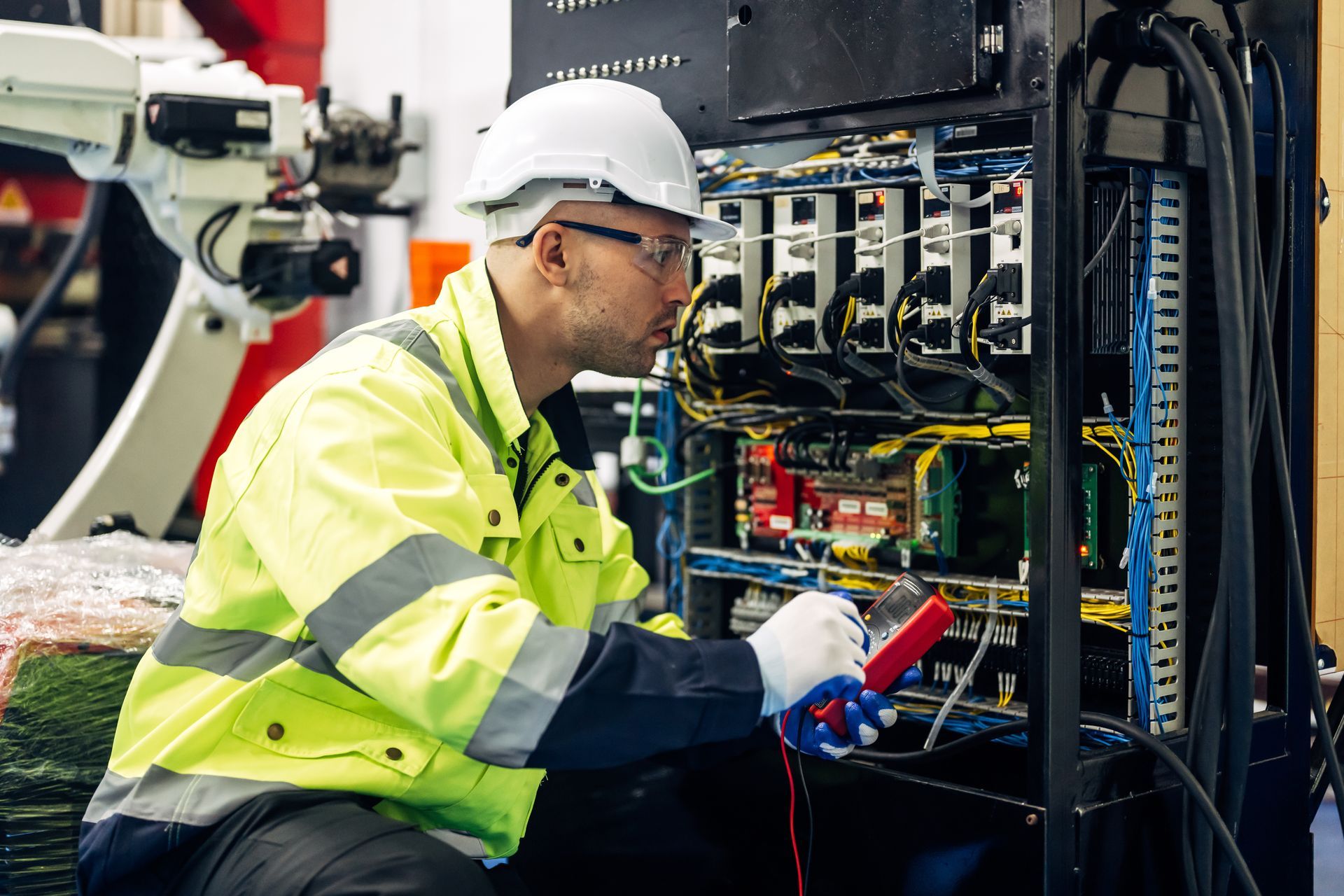
We install, modify and maintain systems using equipment approved for the classified zone, following methods suited to the site’s operating conditions.
Work often needs to be coordinated around shutdowns, isolations and restricted access, with careful attention paid to documentation for future inspections. The aim is to leave electrical systems that are practical to maintain and clearly documented, so future work can be carried out without uncertainty.
If your site includes hazardous zones or is undergoing changes, reviewing the electrical early can prevent larger issues later.


