
Air Conditioning Installation on the Sunshine Coast
Send Us a Message
Thank you for contacting Chayser Electrical.
We will get back to you as soon as possible.
Oops, there was an error sending your message.
Please try again later.
Licensed electricians based on the Sunshine Coast.

Air Conditioning Installed To Suit
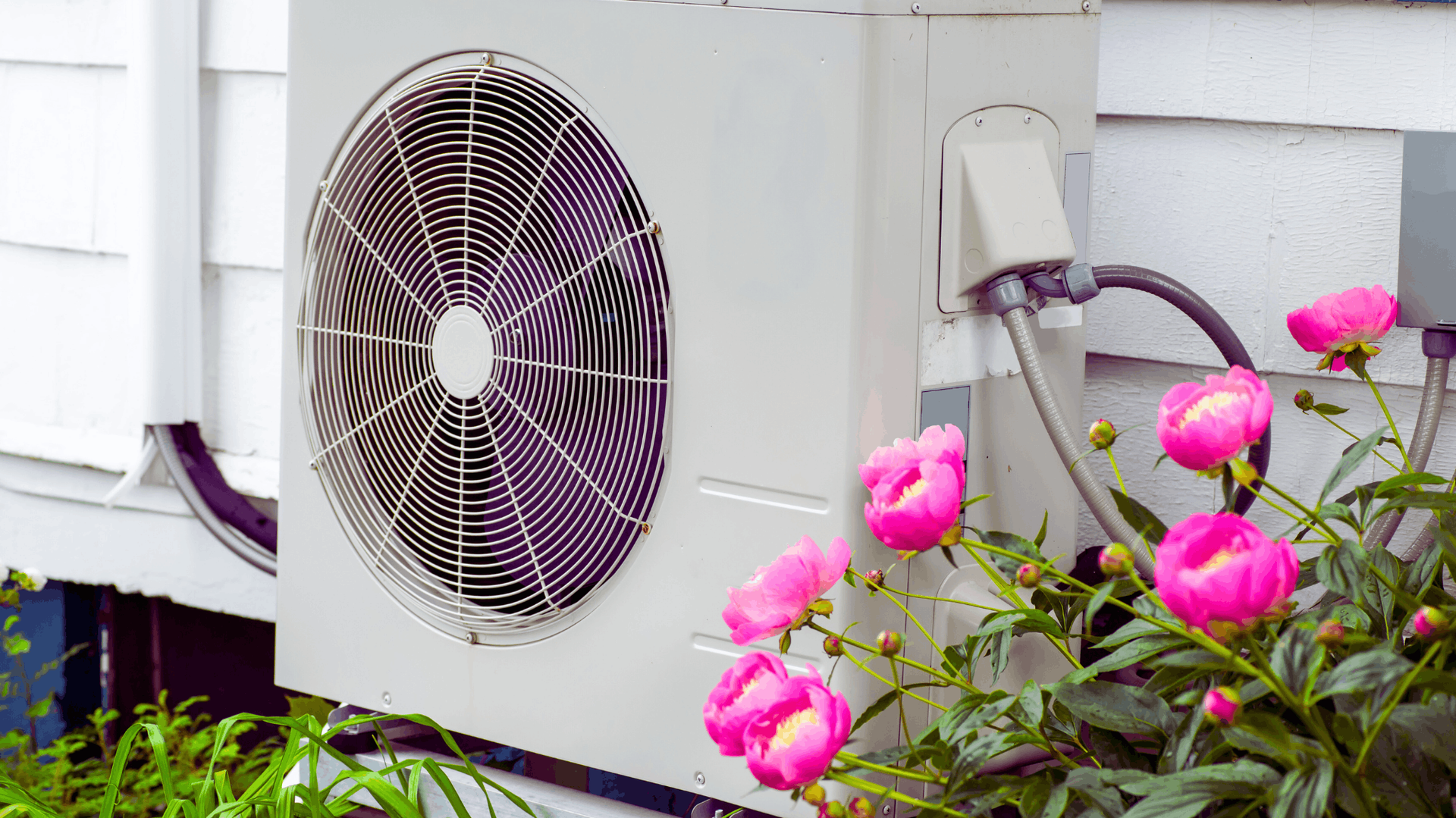
At Chayser Electrical, we handle air conditioning installation for homes and businesses across the Sunshine Coast, taking into account how each space is laid out and used.
Room proportions, insulation, ceiling height and airflow all influence how a system performs over time. Those factors shape how split and ducted systems up to 18kW are installed, including placement and electrical capacity, so cooling is even and consistent throughout the space.
If you’re planning a new installation or replacing an existing unit, call 0458 346 868 to talk through your options.
Frequently Asked Questions
What size air conditioner do I need?
The right size depends on room dimensions, ceiling height, insulation, window placement and how the space is used. An undersized unit will struggle to cool effectively, while an oversized one can cycle too often. A proper assessment helps ensure the system performs efficiently without unnecessary energy use.
Can an old air conditioner be replaced with a new one?
Yes, in many cases an existing system can be replaced, but electrical capacity, wiring condition and mounting locations should be checked first. Older setups may need upgrades to support newer systems safely. An inspection helps determine whether changes are needed before installation.
How long does air conditioning installation take?
Installation time varies depending on system type and site conditions. A standard split system is often installed within a day, while ducted systems may take longer due to additional wiring and ducting. Site access and preparation can also affect timelines.

Set Up For Ongoing Use
Once a system is installed, how it’s set up around the building matters just as much as the unit itself.
We install air conditioning with future servicing, access and everyday operation in mind, so filters can be cleaned, units can be reached and electrical isolation is straightforward when needed. Wiring, isolators and mounting are handled in a way that avoids unnecessary strain on the system and reduces the chance of avoidable faults later on. The aim is a setup that’s easy to live with and simple to maintain, rather than one that looks fine on day one but becomes frustrating over time.
If you want an installation that doesn’t create problems down the track, it’s worth getting this part right.


